









Taxpayers funding the Port Washington Police District got something concrete back this past winter: a high school intern who actually did police work.
Makenna Fay, a St. Mary’s High School student from Port Washington, completed a five-month internship with the department that wrapped up in March 2026. She’d started back in November 2025, and what she did in between wasn’t filing paperwork or answering a front desk phone. She rode with officers. She handled detective equipment. She sat through briefings across multiple divisions. That’s a different kind of program than most Nassau County families expect when they hear “high school internship.”
Worth noting: the Bureau of Justice Statistics has long tracked the connection between early exposure to law enforcement careers and recruitment pipelines that actually hold. Departments that can’t show young people what the job looks like before they’re 22 struggle to fill ranks. Port Washington seems to understand that.
The internship, structured around weekly written reflections, included firearms training and hands-on time with detective unit gear that doesn’t typically leave the back of a precinct. Makenna documented every week. That’s not an afterthought. That’s a curriculum.
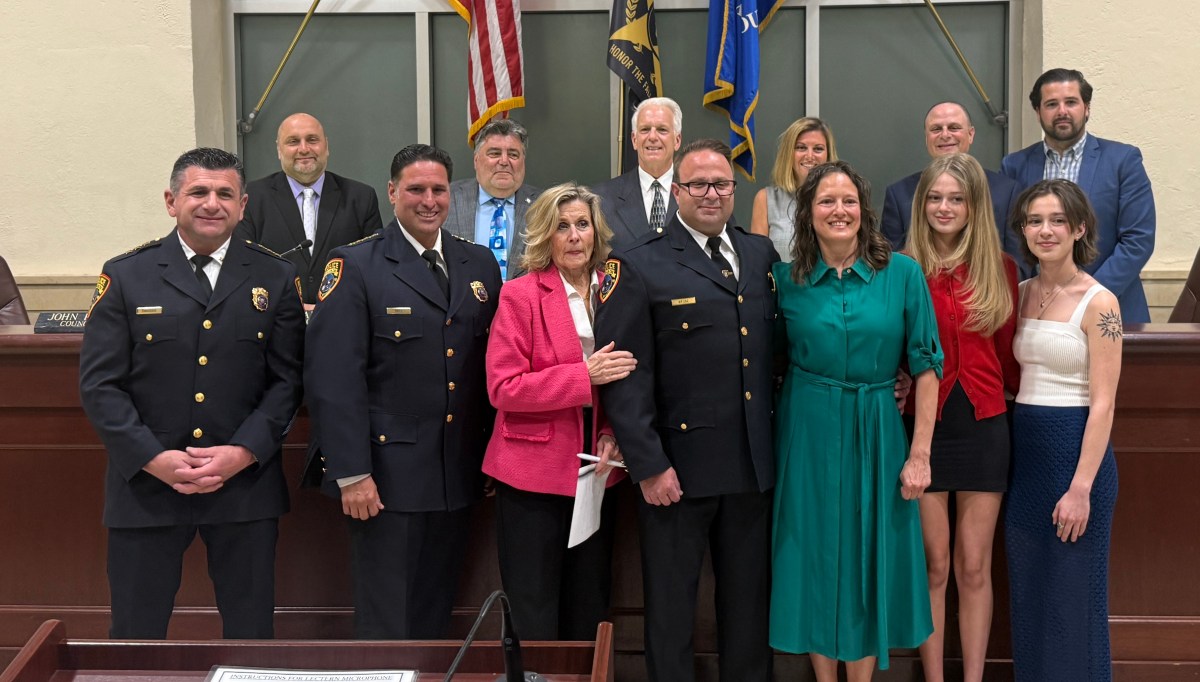
Port Washington Police Department Chairman Sean McCarthy spoke directly about what the district expects the program to do. “We strongly believe in the importance of building trust and transparency between our district and the community, and our youth internship program helps us work toward that goal,” said McCarthy. He didn’t speak in generalities about Fay’s time with the department, either. His statement made clear the program’s reach goes beyond any single participant.
Community-police trust on Long Island doesn’t rebuild itself through press releases. It’s built when a 17-year-old spends a November morning riding through Port Washington with an officer she’d never have encountered otherwise, and then spends four more months doing it again. You can’t price that kind of exposure. But you can design programs that create it, and the Port Washington Police District appears to have done that deliberately.
Sgt. Peter Griffith was blunt about what separates this program from the kind of glorified clerical internships that produce nothing except a certificate. “Our internship program is unique in that it provides participants with exposure to real police work and the training necessary to pursue a career in law enforcement,” Griffith said. He didn’t hedge. He also commented specifically on Fay: “Makenna excelled throughout the program, and we look forward to watching her grow as part of the next generation of law enforcement professionals.”
That’s a sergeant on record saying a high school senior performed well inside an active police environment. That’s not a participation trophy comment.
The Port Washington Police District operates as an independent special district in Nassau County, which means it’s got its own board structure and budget separate from the Nassau County Police Department entirely. It covers the Port Washington peninsula. Residents there pay into a special district that funds these operations, and a program like this internship is part of what that structure allows. Whether it’s a smart use of those funds isn’t really a debate once you look at what participants actually do. Ride-alongs. Firearms training. Detective unit equipment. Weekly written accountability. That’s structure.
Makenna is heading into her senior year at St. Mary’s High School. She’s 516 days from the kind of decision that most Long Island kids make under-informed: what to study, whether law enforcement is real or just something you watch on TV, whether a career in public safety is even worth pursuing. She’s going into that decision with context most of her peers don’t have.
The original Long Island Press coverage from April 09, 2026 flagged this program as worth attention. It’s right. The question for Nassau County’s other police districts and special taxing entities is simpler: if Port Washington can run a program in 2025 that produces results like this by early 2026, what’s the excuse elsewhere?
Griffith’s program produced a young woman who can speak from experience about what detectives actually carry, what a briefing actually sounds like, and what an officer’s shift actually looks like from the passenger seat. That’s not nothing. That’s exactly what community policing is supposed to accomplish.