

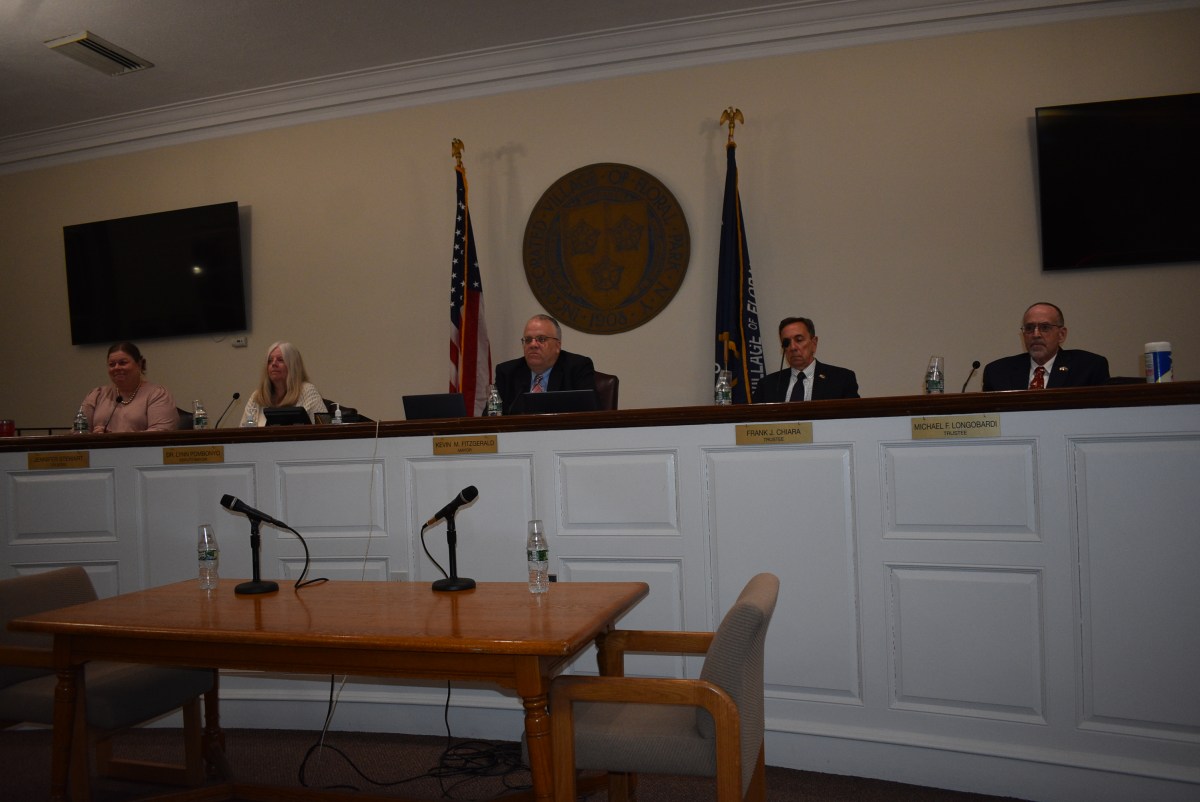

Lake Success taxpayers showed up Sunday with questions, and not all of them got clean answers.
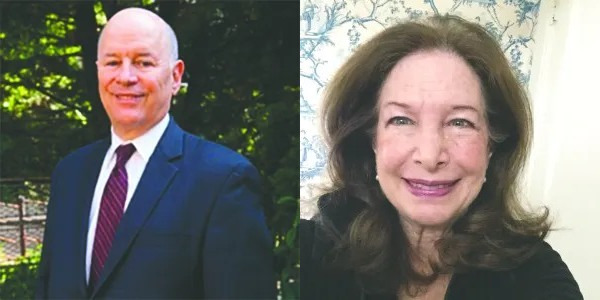
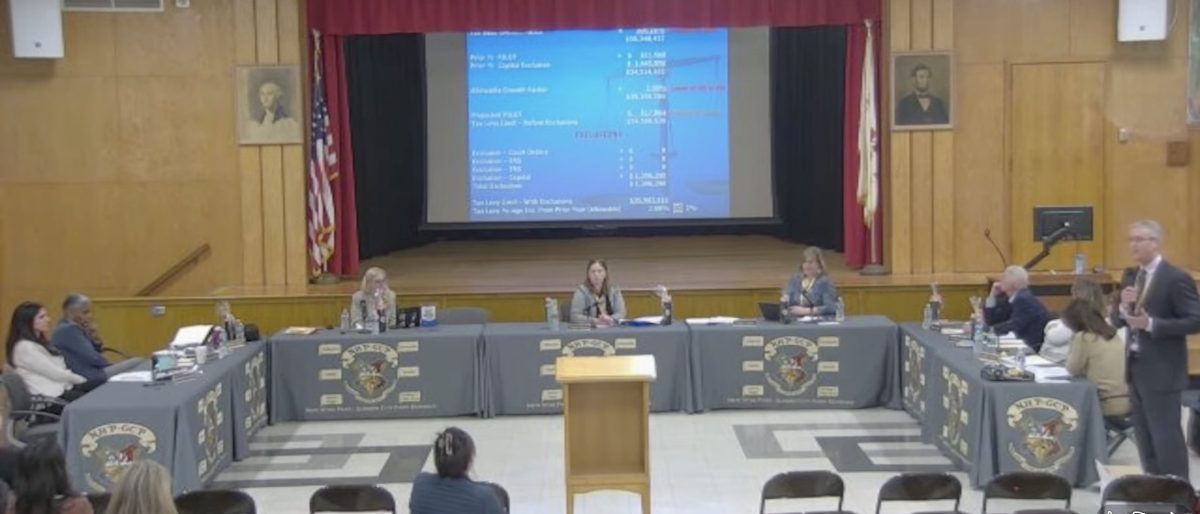
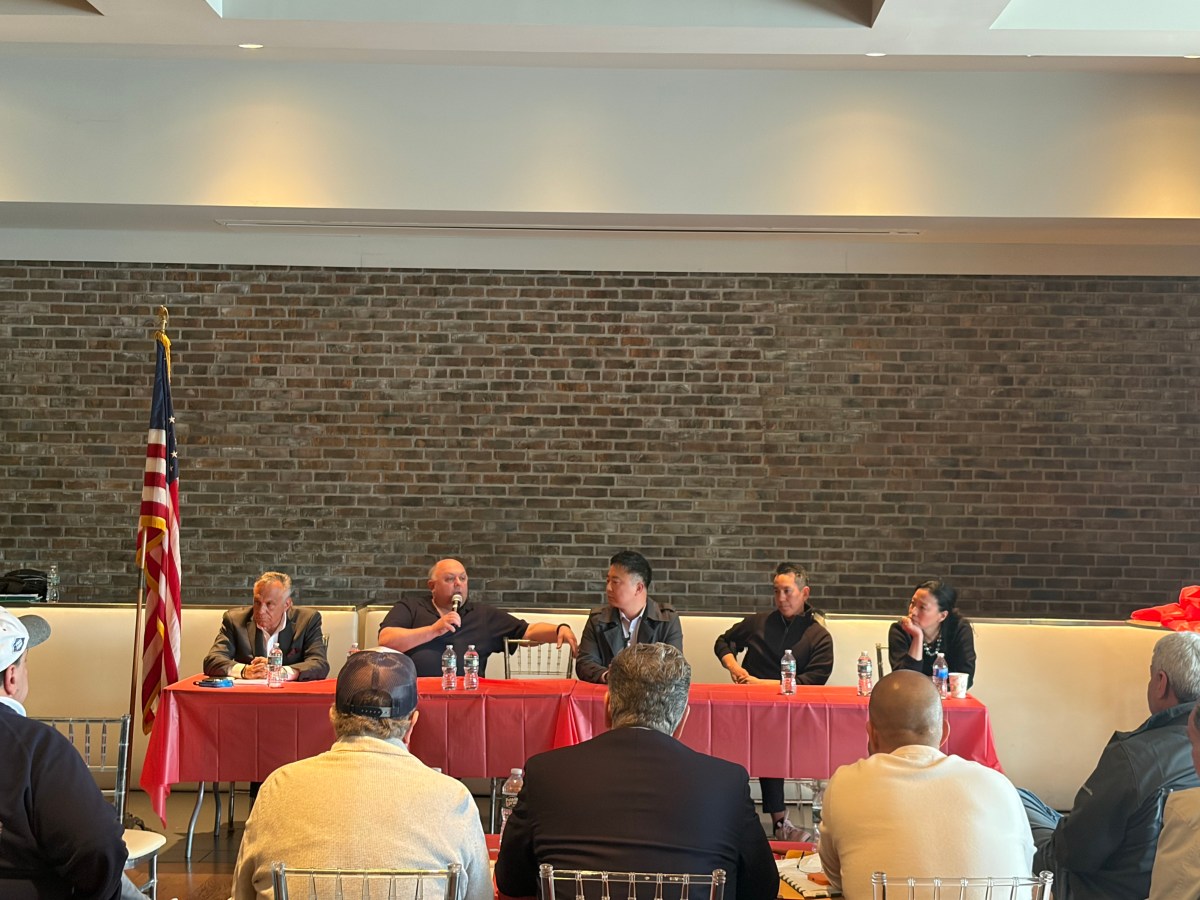
The village held a “Meet the Candidates” forum ahead of its 2026 election, drawing residents who wanted a real look at the two men asking for their votes: incumbent Mayor Adam Hoffman and challenger Anthony Baek, a member of the Lake Success Golf Commission and president of an electrical supply company. Two candidates. One small Nassau County village. Very different ideas about how it should be run.
Hoffman’s case rests almost entirely on his record. He’s been involved in village government for nearly 30 years, and he didn’t walk into that forum without receipts. He extracted $2 million from Northwell Health, a tax-exempt hospital system with a significant property footprint in the village, and separately secured $1.1 million in funding for a local park track. Those aren’t small numbers for a community this size. “There is a large portion of this community that is commercial-based,” Hoffman said, explaining why his long-standing relationships with institutional players matter more in Lake Success than they might elsewhere on Long Island. His argument, stripped down, is that you can’t replace what he knows.
Baek isn’t conceding that point, but he’s fighting on different terrain. His campaign targets what he sees as a culture of opacity in village government, and he’s got at least one embarrassingly concrete example. The current village budget isn’t posted on the municipal website. Residents who want to know where their money is going can only find the prior year’s documents. That’s not a clerical delay. It’s a structural problem. “I want to change everything on the tax side,” Baek said, pushing for a spending audit and new revenue sources that don’t fall so heavily on homeowners.
Trustee candidate Timothy Parker went after the same issue and named it plainly. “The website looks like it’s from the 1990s,” Parker said, according to Long Island Press coverage. That’s not a trivial complaint. It’s a window into how this administration communicates, or doesn’t, with the people funding it.
Hoffman didn’t deny the website’s problems. He said managing it falls to village staff while he holds down a full-time job outside of his mayoral duties. “To be a mayor, you have to learn every day,” he said. That’s a reasonable thing to say. It’s also exactly the kind of answer that makes Baek’s transparency argument land harder than it otherwise would.
Then there’s the police budget. The department accounts for 52% of village spending. Let that number sit for a moment. In a village where residents are already asking where the current budget document is, more than half of all expenditures go to one department. Hoffman defended it without flinching. The village is “getting its money’s worth,” he said.
Maybe. But that figure deserves scrutiny that a single forum quote won’t satisfy. Fifty-two percent is the kind of allocation that requires a public accounting, line by line, not just a mayoral assurance that it’s justified.
The Nassau County Board of Elections will ultimately decide whose vision Lake Success adopts. For Hoffman, the record is the argument, and 30 years of involvement in a complicated commercial-residential village isn’t nothing. The Northwell Health deal alone, pulling $2 million from a tax-exempt entity, shows what institutional access can produce.
For Baek, the campaign is simpler: residents shouldn’t have to attend a Sunday forum to find out what their village budget looks like. It should be 20 seconds and a working website.
That gap, between a mayor who governs through relationships and a challenger who wants the whole thing visible online, is what Lake Success voters are actually deciding. Police spending at 52%, a missing current budget, and $1.1 million in park funding are the facts on the table. The question is which candidate voters trust to manage the next chapter.
“To be a mayor, you have to learn every day,” Hoffman said. Baek, for his part, seems to think the learning shouldn’t all happen behind closed doors.