





Ernie Fazio of Centerport died March 13, 2026. He was 86 years old, and Long Island’s infrastructure debate lost one of its most stubborn, most clear-eyed voices.
He didn’t start as an activist or a lobbyist. Fazio was born in Howard Beach on December 29, 1939, and he built his working life the way a lot of men from that generation did: through service and labor. He served in the U.S. Coast Guard, strung cable as an AT&T lineman, sold Insurance, hosted a Radio program, and eventually became an Author. He graduated from Queensborough College and earned a position as a regional steward with the Communications Workers of America. Each of those chapters, people who knew him say, got everything he had.
The role that defined him publicly started in March 2002. That’s when Fazio took over Long Island Metro Business Action, the Suffolk County nonprofit known as LIMBA, which had been operating since 1968. He ran it for 24 years, right up until his death. The organization connects local businesses with government officials to work through infrastructure gaps and economic development questions. Inside that world, he was called “an extremely influential leader and advocate,” according to Long Island Press.
That description doesn’t quite capture it. Fazio wasn’t interested in ceremonial leadership.
Back in the early 1980s, he stood alongside other businessmen to fight off local opposition threatening Islip’s MacArthur Airport. That airport still serves Suffolk County commuters today. He pushed for electrification of the Long Island Rail Road Ronkonkoma line. He lobbied for a high-speed ferry to Connecticut. He spent years on the idea of a bridge linking Long Island directly to the Connecticut shoreline. He was also an early backer of wind power on Long Island, before it was easy or obvious to be one.
None of those campaigns were comfortable. Fazio had a pattern: he’d get behind a proposal that seemed too big, too expensive, or too politically awkward, and he’d stay behind it longer than most people thought reasonable.
His most ambitious project came in book form. Fazio wrote “Maglev America: How Maglev Will Transform the World Economy,” an extended argument for high-speed magnetic levitation rail as a national economic solution. It wasn’t a regional transit pamphlet. It was a full-throated case that Long Island’s transportation problems can’t be solved by thinking small, and that the country’s infrastructure deficit has real economic consequences. The Transportation Research Board took the subject seriously, and so did Fazio, for decades.
His scientific interest didn’t come from nowhere.
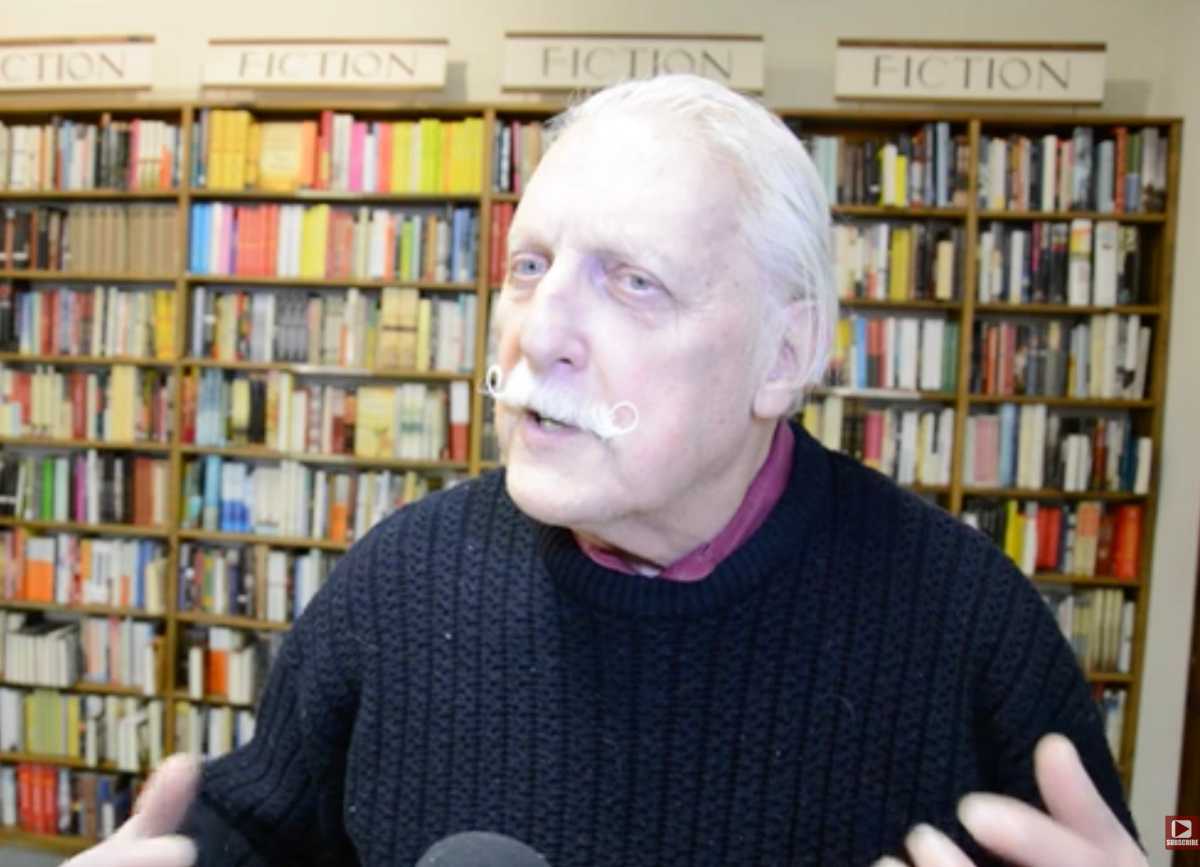
In a MyLITV interview, Fazio explained what set him on that path. “I’ve always had a penchant for science; my father and my uncle invented things, and I’d sit on the bench as a kid, and I would watch these guys, and I saw they were having a wonderful time,” he said. “I was interested in not only them, but what they were doing.” That curiosity, rooted in a Howard Beach workshop, didn’t fade when he left home. It just found bigger targets.
Through the 1990s, Fazio also hosted two radio programs, including World of Ideas, and kept writing. Long Island Business News covered his work over the years, as did outlets across the region. By 2026, he’d spent more than two decades making the case that Long Island’s economic future depended on whether its leaders were willing to think past the next budget cycle.
He was 86 when he died. He’d been making that argument since 1995, when he first started drawing public attention to what he saw as the region’s infrastructure blind spots. Suffolk County hasn’t always listened. The bridge to Connecticut still doesn’t exist. But MacArthur Airport’s still open, the Ronkonkoma line runs, and the Maglev conversation he kept alive is still being had in transportation circles across the country.
That’s not nothing. For a guy who started on a workbench in Howard Beach, it’s actually quite a lot.