







$50 million. That’s the savings figure Nassau County Executive Bruce Blakeman cited Friday when he stood in Mineola and told the state’s financial watchdog board to step aside. The board’s chair told him, bluntly, that he can’t make that happen.
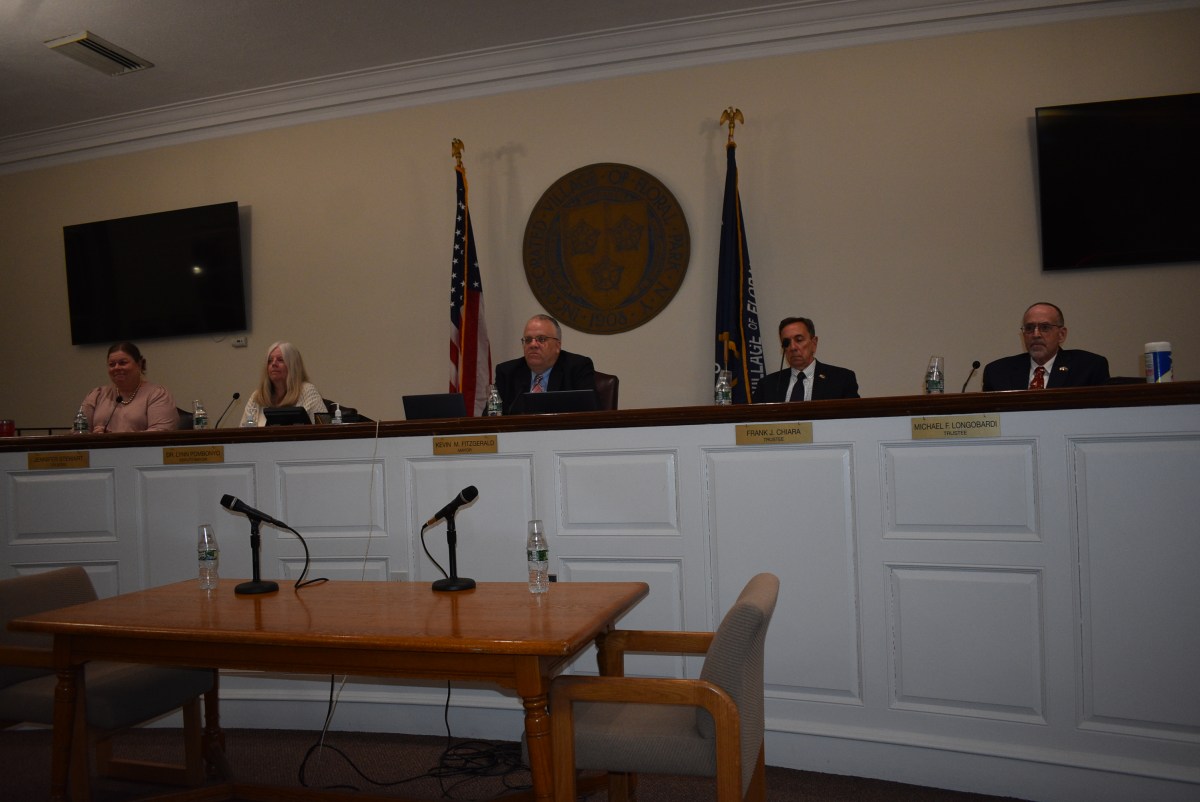
Blakeman held a news conference on April 10, 2026, calling on the Nassau Interim Finance Authority to shift from a control authority to an advisory role. Under that change, the county would reclaim far more independence over its own budgeting, contracts, and labor deals. Richard Kessel, NIFA’s chair, didn’t leave room for interpretation.
“He has no authority to end NIFA’s control period. We have no intention of ending the control period anytime soon,” Kessel said. He followed that with something even sharper: “He legally has no authority and he can say whatever he wants to say, but he can’t do whatever he wants to do.”
That’s about as clear a rejection as you’ll hear in local government. NIFA is, legally, the only body that can declare a control period finished. The state created the board back in 2000. Its seven members aren’t Blakeman’s picks. They’re appointed by the governor, the state Senate majority leader, the state Assembly speaker, and the state comptroller. All four of those positions are held by Democrats right now. Nassau County’s major offices are all Republican-held. So when Blakeman asks NIFA to stand down, he’s essentially asking a board stacked by Democratic officials to hand power back to a Republican county government. That request hasn’t gone anywhere.
Blakeman is also running as a Republican candidate for governor in November, which gives every word he says about state interference a secondary audience and a secondary purpose.
His case for releasing the county from oversight rests on recent budget numbers. County officials said at the news conference they’d originally projected drawing more than $30 million from reserves to cover the 2025 budget. Instead, the year closed with a $15 million surplus. Blakeman also pointed to roughly $50 million in additional savings from the prior fiscal year, attributing it to conservative spending decisions.
“We are in the best fiscal condition that the county has ever been in. We are doing terrific,” he said.
That claim deserves scrutiny. Nassau entered NIFA’s control period in 2011, after years of fiscal deterioration serious enough to trigger state intervention. Control periods don’t get imposed on governments that are basically fine. They get imposed when something has gone badly wrong, and the state decides it can’t trust the local government to fix it alone. One good surplus year, or even a run of them, doesn’t automatically undo the conditions that brought the board in. NIFA has held authority over Nassau’s annual budgets, labor agreements, contracts, and wage freezes since that 2011 control period began. Thirteen years of that oversight doesn’t disappear because the county posted a positive balance.
Blakeman didn’t shy away from framing this as political. He went directly after Gov. Kathy Hochul.
“NIFA has been a political machine governed by Kathy Hochul. She wants to control every aspect of our business here in Nassau County, just like she has throughout the state of New York,” he said.
He added that any decision keeping NIFA in control would be unfair and biased. According to the Long Island Press, a spokesperson for Hochul’s campaign pushed back, invoking Blakeman’s own record and pointing to what they called his failed leadership in creating the fiscal conditions that required state intervention in the first place.
That countercharge lands harder than Blakeman’s team probably wants to admit. The 2011 control period didn’t materialize out of thin air. It followed years of budget maneuvers, deferred costs, and structural deficits that Nassau governments, Republican and Democratic alike, helped produce. Kessel and NIFA aren’t running from that history.
What taxpayers in Nassau’s 26 towns and villages are left with is a standoff. County officials say they’ve earned autonomy back. The state board says they haven’t. And with Blakeman’s gubernatorial run now part of the equation, it’s worth asking how much of Friday’s news conference was genuine fiscal argument and how much was campaign positioning. Kessel’s answer, for now, is that it doesn’t matter either way.