



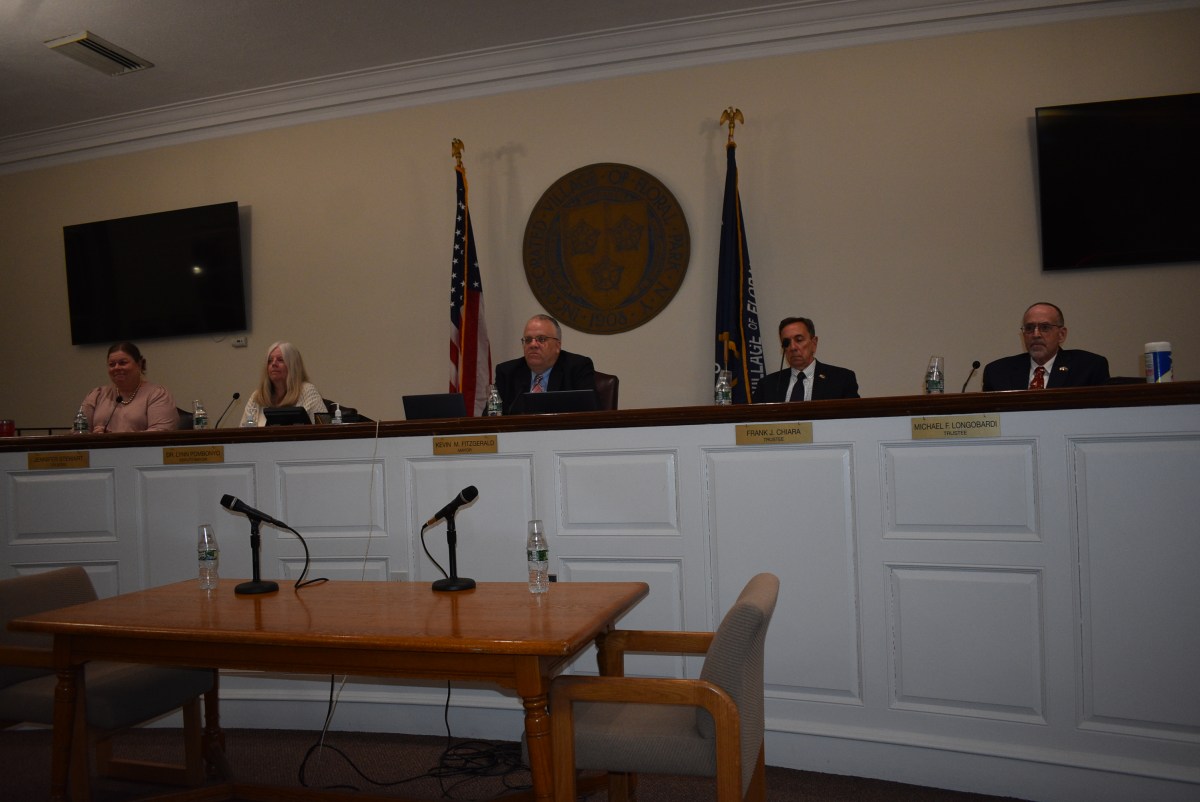






$1,009,309.12. That’s what Baxter Estates will spend in fiscal year 2026-2027, down from $1.5 million the prior year. The board voted unanimously to adopt the budget at its April 9 meeting, and not a single resident came to the microphone during the public hearing.
Hard to blame them. A $490,000 cut doesn’t leave much to protest.
For a village this size, that kind of reduction is significant. The village tax rate matters to every homeowner in Baxter Estates, and a leaner budget generally means lighter pressure on property owners. What it doesn’t always mean is that the village stopped spending where it had to.
Trustees approved a round of mid-year fund transfers inside the current budget, money shuffled to cover costs that came in higher than projected. The overruns touched several line items: contractual expenses, legal fees, the village prosecutor’s budget, and obligations tied to the Fire Department. None of those transfers are unusual in a small municipality, but they’re worth tracking because they signal where a budget tends to leak.
Village Clerk Treasurer Meghan Kelly addressed the Fire Department piece directly. The department’s budgeting cycle doesn’t align with the village’s fiscal year, she told the board, and that structural mismatch is what keeps generating the shortfall, not runaway spending. It’s a timing problem. Fix the calendar conflict and you fix the recurring line item. The board accepted that explanation and moved on.
The April 9 session doubled as the village’s annual organizational meeting, the kind of housekeeping night that doesn’t generate headlines but keeps a small government’s gears turning. Trustees filled the usual slate: appointments to the Zoning Board of Appeals, the Landmark Preservation Commission, the planning board. They also named a tree commissioner, a road commissioner, and a village historian. That last post doesn’t come with a budget line that matters much, but someone has to hold it.
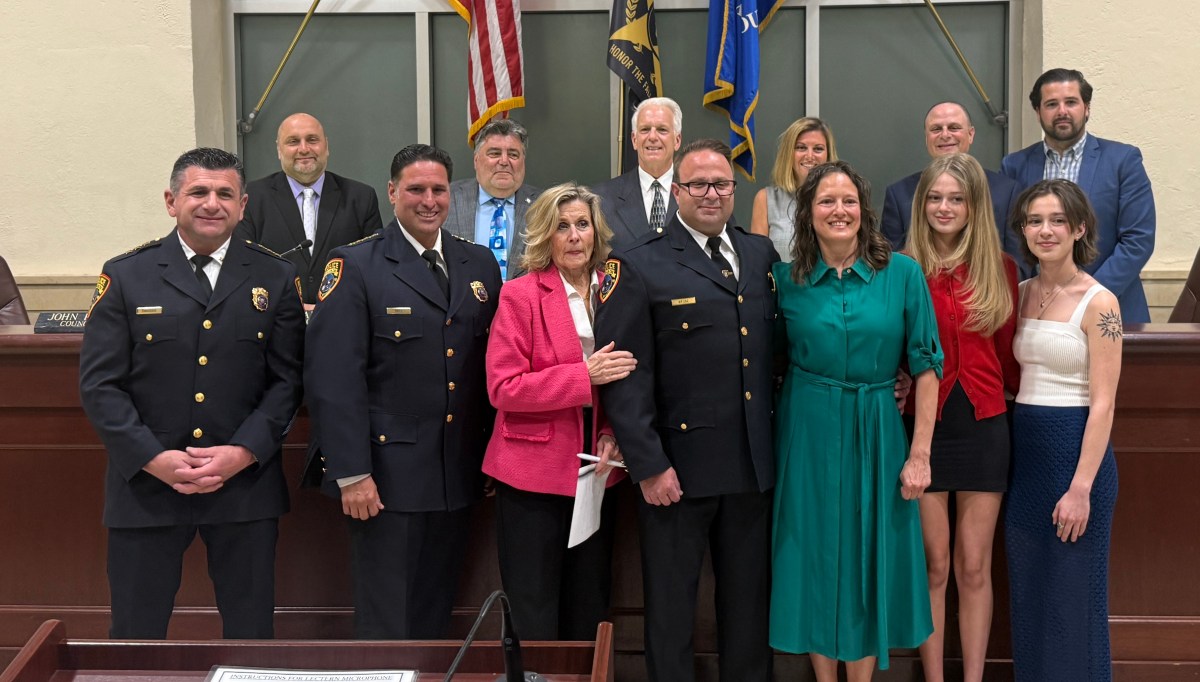
Town of North Hempstead Supervisor Jennifer DeSena attended the meeting to swear in newly elected and appointed officials, including a new deputy clerk. In a village of roughly 400 residents, having a town supervisor show up in person for that ceremony isn’t nothing.
Mayor Nora Haagenson used the meeting to update trustees on Central Drive. The situation there isn’t new: overgrown vegetation, cracked sidewalks, drainage problems that the village has flagged with Nassau County for at least two years. Getting the county to respond, let alone act, has required sustained pressure. County representatives finally visited the site, according to initial reporting, and Haagenson told the board she’s cautiously optimistic that repairs could actually move forward now.
“We’ve been after them on this for a while,” Haagenson said, referring to the repeated requests the village had submitted before county officials finally showed up to look at the damage.
Whether Nassau County follows through is the open question. Central Drive isn’t unique. Across Long Island, villages and towns deal with this same friction constantly, local problems that sit inside county or state jurisdiction, where the village can document, can request, can escalate, but can’t compel. That 13-word phrase, “the county will look into it,” has frustrated municipal officials from Port Washington to Oyster Bay for as long as anyone can remember.
The $1.1 million budget Baxter Estates adopted for 2026-2027 reflects what the village controls. Central Drive reflects what it doesn’t. Both things were on the table April 9, and the board addressed them with the same straight-ahead approach: approve the numbers, make the appointments, keep pushing on the county, and get back to work.
Baxter Estates has 9 trustees and a full board that turned out for a meeting that covered a lot of ground without a lot of drama. Sometimes that’s the story. A budget that shrank, a county road that needs fixing, and a village government that showed up.